







Search Results for: brewing for four
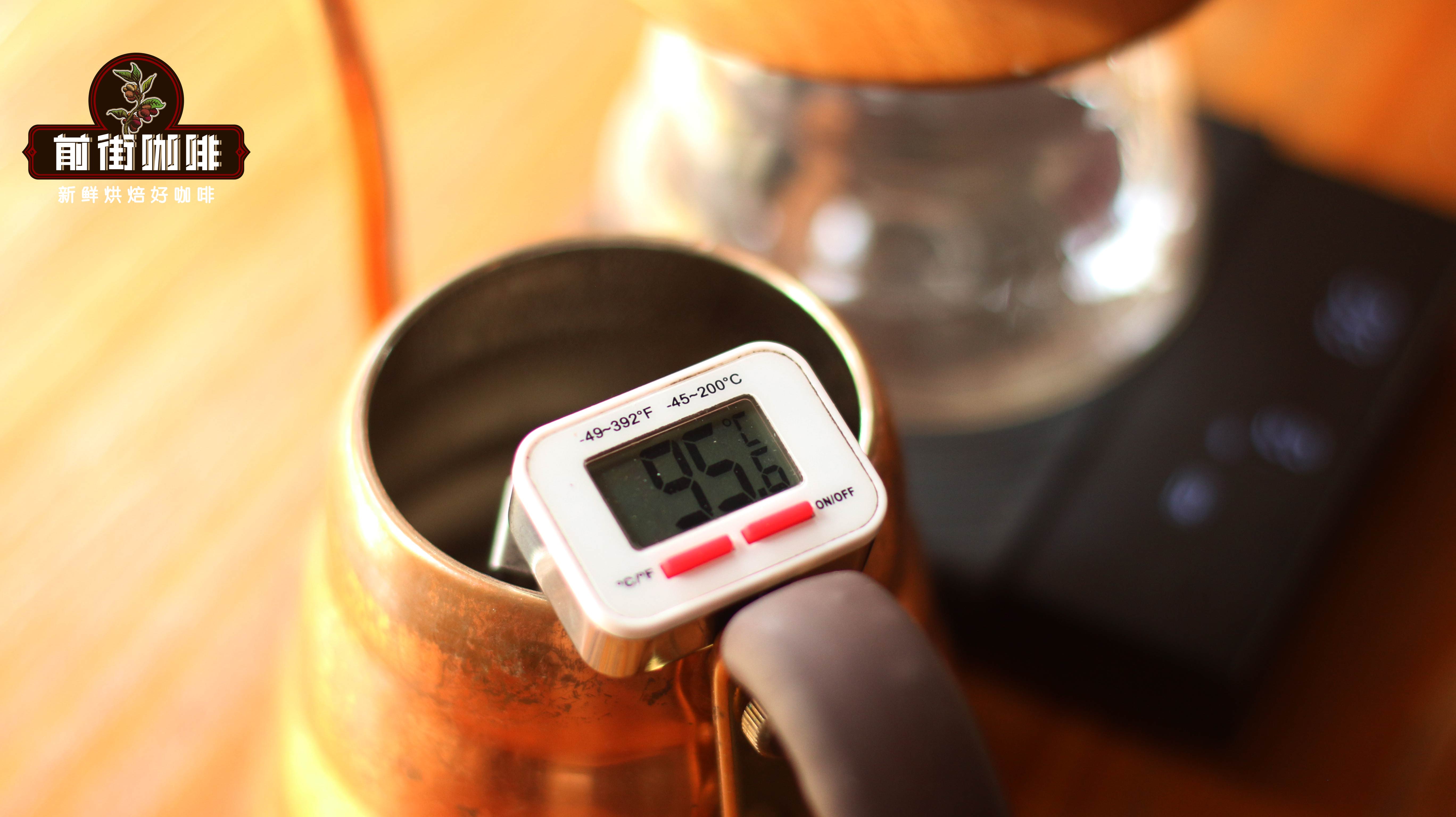
Master Freshness, Grind Size, Water Temperature, and Coffee-to-Water Ratio: Brewing Pour-Over Coffee from Four Major Regions—Yirgacheffe, Mandheling, Kenya, and Brazil
Yirgacheffe, Mandheling, Kenya, and Brazil are the four major coffee regions most familiar to coffee enthusiasts, and each has its own distinctive brewing approach. In this article, Front Street Coffee will explain the four key elements of pour-over brewing—freshness, grind size, water temperature, and coffee-to-water ratio—and provide specific brewing parameters and techniques for a representative bean from each of the four regions. The article will also cover the principles of bean resting and degassing, how to calibrate grind size using a standard sieve, and the taste differences brought about by different coffee-to-water ratios under the SCA Golden Cup extraction theory, helping you brew these four common single-origin coffees to taste even better. [more…]
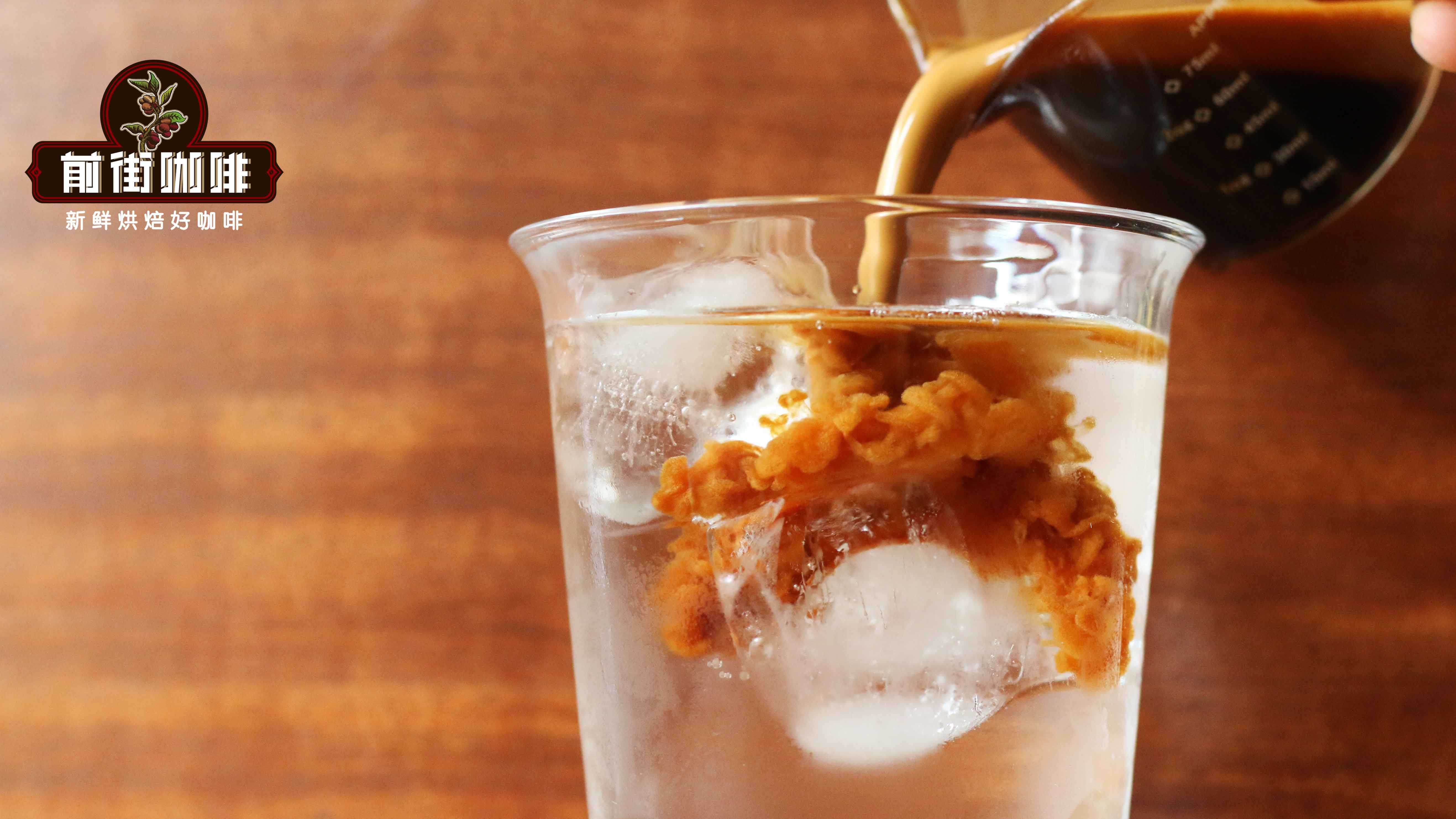
Iced Americano, Iced Pour-Over, Cold Brew, and Ice Drip: Extraction Differences and Flavor Comparison of Four Iced Coffees
In the hot summer, iced coffee becomes the top choice for many people. But can you accurately tell the difference between these four common types of iced coffee: iced Americano, iced pour-over, cold brew, and ice drip? Front Street Coffee systematically sorts out the characteristics of these four iced coffees from four dimensions: extraction method, preparation time, ease of operation, and flavor and mouthfeel. This article will explain in detail the specific preparation method for each type of iced coffee, including recommended parameters for coffee beans such as Front Street Classic Espresso Blend, Fruit Ding Ding, and Strawberry Candy, to help you choose the iced coffee preparation method that best suits your own conditions and taste preferences. [more…]
Iced Americano, Iced Pour-Over, Cold Brew, and Ice Drip: A Full Breakdown of the Craft, Time, and Flavor of Four Iced Coffees
More and more people are drinking iced coffee in summer, but can you really tell apart these four common types of iced coffee: iced Americano, iced pour-over, cold brew, and iced drip? Although they are all called iced coffee, there are actually considerable differences from extraction principles to preparation time, and then to the final flavor expression. This article sorts out the similarities and differences of these four kinds of iced coffee one by one from four dimensions: extraction method, preparation time, difficulty of home operation, and taste characteristics. The article also includes the specific brewing parameters and steps of Front Street Coffee, including practical plans for beans such as Front Street Sunflower Warm Sun, Fruit Ding Ding, and Strawberry Candy, to help you more clearly understand what kind of beans and scenarios each type of iced coffee is suitable for, and also make it convenient to replicate at home. [more…]
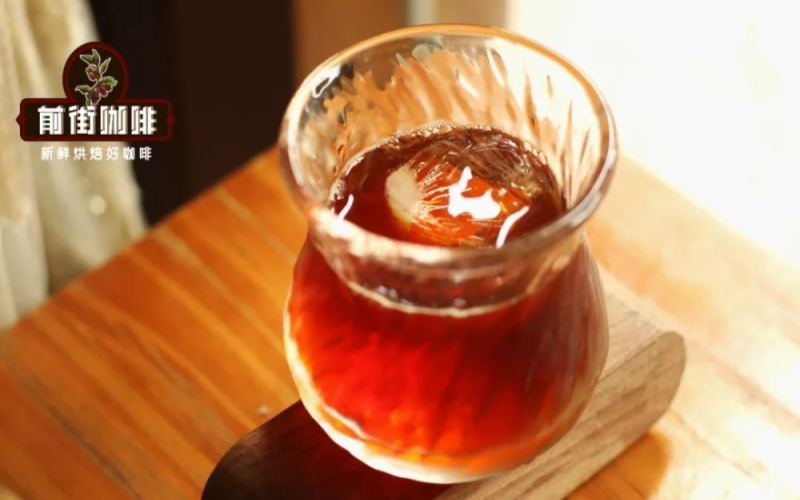
Can Fruit Be Used to Make Cold Brew Coffee? Four Pairing Tests and Recipes for Cold Brew Latte and Coconut Water Cold Brew
Under the framework of low-temperature slow extraction, the variables that can be adjusted for cold brew coffee seem to be only the coffee-to-water ratio, water temperature, and grind size, making the possibilities appear quite limited. But if you open your mind—fruit can be used to make tea, so can cold brew coffee also be infused with fruit? With this idea in mind, Front Street conducted a round of infusion experiments using blueberries, grapes, lemons, and peaches, each paired with four different styles of coffee beans, and recorded the flavor performance and lessons learned from each group. In addition to reproducing the complete process and tasting results of these four pairings, this article also compiles the types of fruits suitable for infusion, the logic for selecting beans to pair with them, and specific methods for cold brew lattes, sparkling cold brew, and coconut water cold brew, for coffee enthusiasts who want to experiment at home. [more…]
Analyzing the Chemex Coffee Maker's Design Features and Pour-Over Differences: With Brewing Parameters for Four Front Street Coffee Pour-Over Beans
Since its introduction in 1941, the Chemex coffee maker has been rated by scholars at the Illinois Institute of Technology as one of the best-designed products, thanks to its one-piece filter cone and carafe design, and it is now held in the Museum of Modern Art. It requires no additional filter cone, but must be paired with proprietary filter paper. From the perspective of Front Street Coffee, this article reviews the Chemex's features and pour-over steps, focusing on the four key elements of grind size, water temperature, coffee-to-water ratio, and brewing technique, and recommends four Front Street pour-over beans of different roast levels—Yirgacheffe Gudingding, Kenya Asaliya, Brazil Queen, and Indonesia PWN Golden Mandheling—with their respective brewing parameters and flavor descriptions for coffee enthusiasts' reference. [more…]
How Does Water Quality Shape Cold Brew Flavor? Coffee Brewing Recommendations After Testing Four Types of Drinking Water
In a cup of black coffee, water makes up the vast majority, so its impact on flavor must not be underestimated. Different brands of drinking water vary in mineral composition, hardness, and pH, so the coffee brewed with them naturally takes on different characteristics. To investigate this variable, Front Street Coffee selected four common drinking waters—Baisui Mountain, Nongfu Spring, Ganten, and C'estbon—and used the same Costa Rica Mozart coffee beans to make cold brew, measuring TDS, coffee liquid concentration, and recording flavor performance one by one. The experiment found that the amount of calcium and magnesium ions in water affects extraction efficiency and taste direction, while Nongfu Spring with medium TDS and C'estbon purified water each showed distinct stylistic differences. This article will present the full experimental process and tasting results, and offer water selection suggestions for different taste preferences. [more…]
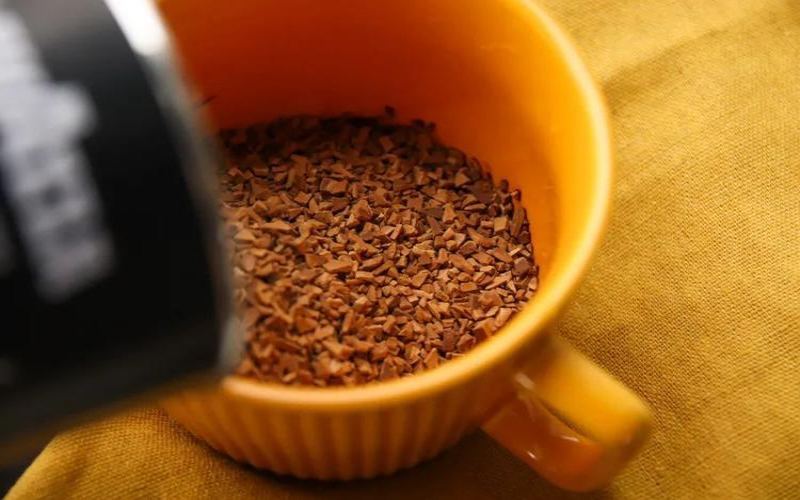
Comparison of Four Cats, Nescafé, and G7 Instant Coffee: Why Drip Bag Coffee Is More Worth Recommending
Instant coffee has carved out a place for itself in everyday drinks thanks to its convenience, and Sizhimao, Nescafé, and Vietnam's G7 are currently three of the most widely discussed instant coffee brands in China. Each has its own emphasis in raw material regions, flavor performance, and pricing strategy, while also sharing the inherent health concerns of instant products. This article will go through these three brands one by one in terms of their coffee bean sources, taste rankings, and value for money, and further introduce the advantages of drip bag coffee as an alternative, including Front Street Coffee's specific recommendations on freshness control, flavor choices, and brewing methods, to help coffee lovers find the option that better suits them between convenience and quality. [more…]
Four Cats Coffee Review: Comparing Yunnan Arabica with Nescafé, Is It Really a Scam, and Why Is It So Cheap?
Recently, many coffee enthusiasts have been asking about Si Zhi Mao Coffee—how good it really is, whether it's more worth drinking than Nescafé, and some even claim it's a fake scam and wonder why it's sold so cheaply. This article will compare Si Zhi Mao and Nescafé from the perspectives of ingredients, flavor, and health, and explain the reasons behind its low price. It will also introduce healthier alternatives, such as Front Street Coffee's freshly roasted drip bags and specialty Catimor coffee beans from the Baoshan region of Yunnan. After reading, you'll be able to clearly judge whether Si Zhi Mao Coffee is suitable for you. [more…]
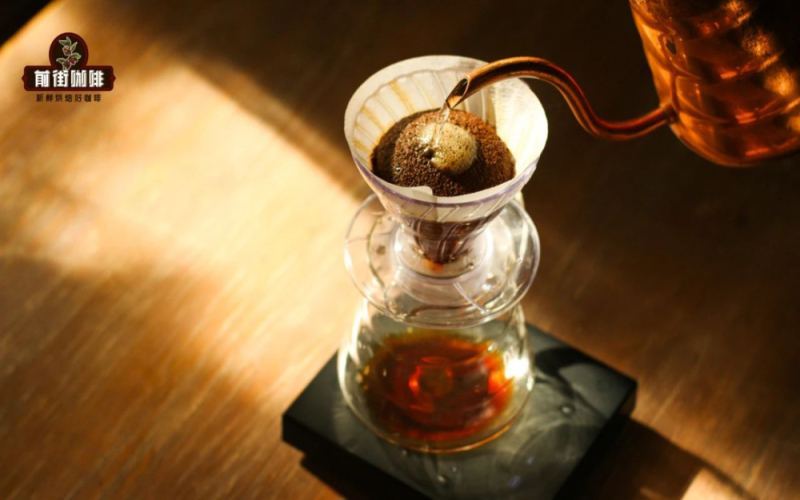
Analysis of Hand-Brewing Techniques for a Large 30g Coffee Dose: How to Avoid Bitterness and Uneven Extraction When Brewing for Four
Many coffee enthusiasts, once accustomed to the rhythm of brewing a single serving of pour-over, often find that flavors turn out vastly different from their daily results when they attempt to brew a large batch of four servings at once. The increase in coffee dose brings not only a change in water volume, but also systematic adjustments involving dripper capacity, pouring technique, grind size, and even extraction time. Front Street Coffee frequently receives similar questions: how should 30 grams of coffee be brewed to taste good? This article will provide a complete overview of the practical key points for large-dose pour-over, from dripper matching, grind size setting, and blooming strategy to the logic of staged pouring, helping you consistently present a clean and well-layered coffee flavor even when sharing among multiple people. [more…]
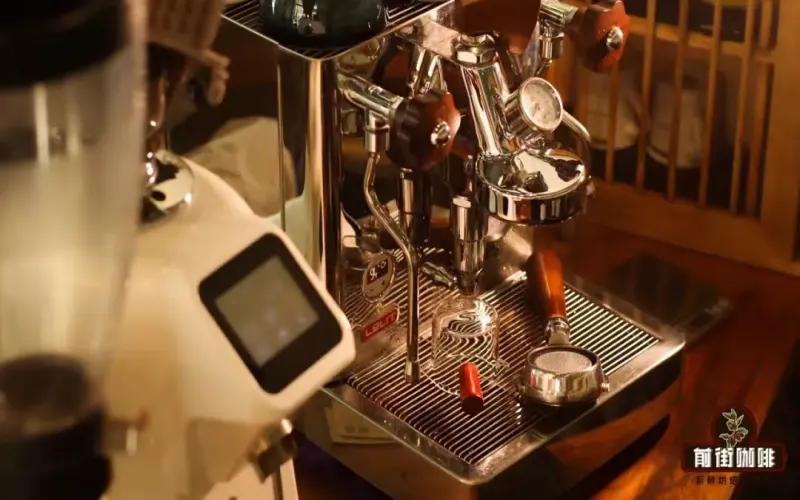
A Complete Guide to Espresso Extraction: Adjusting the Four Key Parameters of Dose, Grind, Brew Ratio, and Time
To make a well-balanced espresso at home, the key is to master a few core variables that affect extraction. Drawing on the practical experience of Front Street Coffee, this article systematically sorts out the relationships among the four main adjustable parameters—dose, grind size, brew ratio, and extraction time—to help readers understand how to decide which direction to adjust based on the taste the espresso presents. It also introduces the basic concept of the Golden Cup standard, explains why choosing a more stable espresso blend can improve the margin for error in home extraction, and lists four distinctive blends from the Front Street bean lineup for reference. [more…]
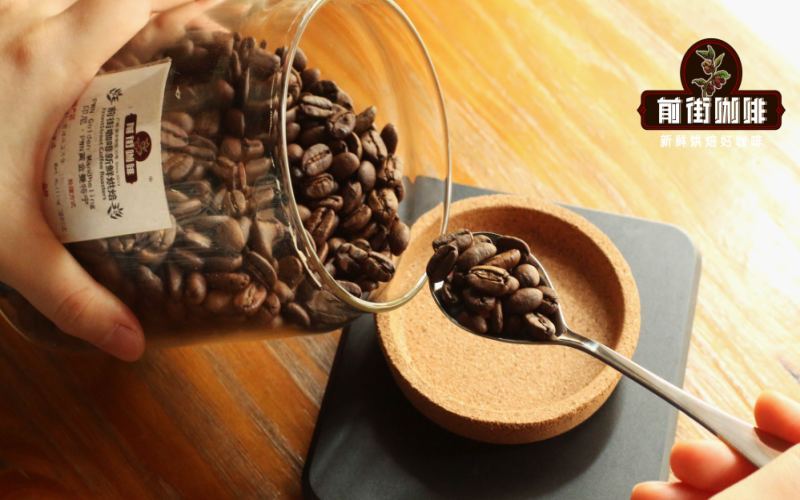
How to Hand-Brew 15g, 20g, and 30g Coffee Grounds? A Guide to Coffee-to-Water Ratios and Filter-Cup Adjustments for Four Servings
The choice of coffee dose for pour-over seems simple, but in reality it involves multiple coordination factors: the dripper model, the number of drinkers, and the pouring rhythm. Front Street Coffee's daily demonstration uses 15g of coffee as the baseline, but in actual brewing, doses that are multiples of 6 such as 12g, 18g, and 24g, doses that are multiples of 5 such as 15g, 20g, and 25g, and even 16g each have their own adherents. Behind different doses lie different reasoning logics—some start from the volume of brewed coffee, some compromise based on the dripper's recommended value, and others aim for easier calculations during pulse pouring. This article will focus on three typical doses—15g, 20g, and 30g—explaining the brewing approaches suited to each, and providing adjustment suggestions for dose, water amount, and dripper selection in a four-person pour-over scenario, helping you achieve consistent results even when sharing with multiple people. [more…]
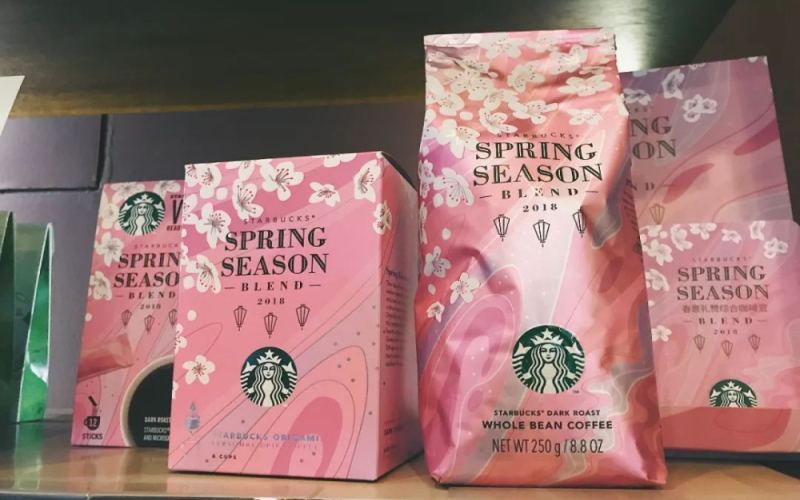
Starbucks Spring Day Blend Coffee Beans: From the Cherry Blossom Meaning on the Packaging to the Flavors of Four Origins and Brewing Suggestions
Starbucks' annually spring-limited Spring Blend whole bean coffee is a medium-roast coffee that blends the characteristics of four producing regions. This article begins with the evolution of its packaging design—from elaborate cherry blossoms to simple pale pink—then delves into the flavor contributions of Colombia, Sumatra, Papua New Guinea, and Ethiopia, and finally offers practical brewing parameters for grind size and water temperature. For coffee lovers who enjoy exploring the layered complexity of blends, this coffee offers both a springtime image and solid performance in the cup. [more…]
How to Brew Delicious Aeropress Coffee? A Full Breakdown of the Four Key Brewing Variables and Equipment Features
At a time when siphon and pour-over coffee are all the rage, the AeroPress, with its syringe-like shape and simple operation, is becoming a hot new trend among baristas. This device is easy to use, lightweight, and drop-resistant, so you can brew a cup anytime at home or outdoors. This article will outline the core features of the AeroPress—brewing completed in about one minute, a sediment-free cup after filtering, and hassle-free cleaning—and break down the four major factors that determine coffee quality: water temperature, stirring, time, and pressure, analyzing how each variable affects the final flavor. At the end, it also includes the AeroPress brewing parameters for Front Street 90+ Candlelight for everyone to reference and practice with. [more…]
Fruit-Infused Cold Brew Coffee Pairing Experiments: Four Recipes, Flavor Comparison, and a Coconut Cold Brew Latte Recipe
Under the framework of cold brew coffee's low-temperature slow steeping, there are inherently few adjustable variables—just water volume, water temperature, grind size, and steeping method. But if fruit is brought into the steeping process as well, could it open up new flavor territory? Front Street paired blueberries, grapes, lemons, and peaches with four coffee beans of different character profiles, ran a round of fruit cold brew experiments, and recorded the aroma, mouthfeel, and pros and cons of each group. In addition, it extended into mixing ideas for cold brew lattes, sparkling cold brew, and coconut water cold brew, and summarized the types of fruit suitable for steeping and the direction for choosing coffee beans, as a reference for recreating them at home. [more…]
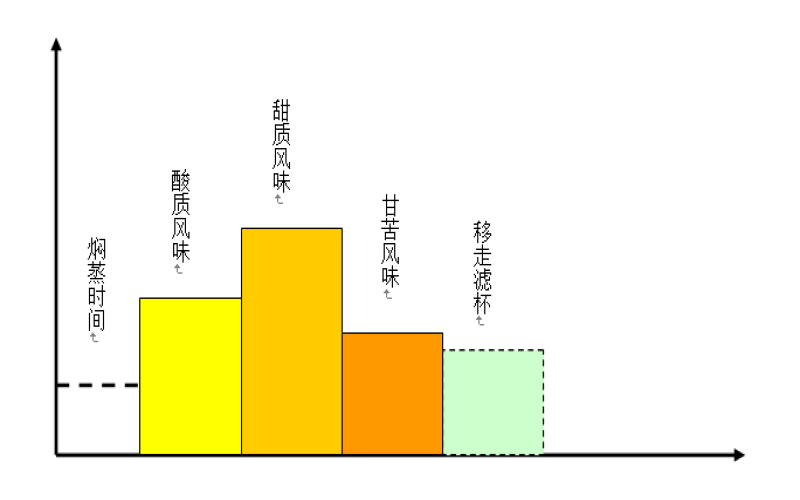
Segmented Extraction and Sweetness Release in Pour-Over Coffee: Flavor Changes Across the Beginning, Middle, and End Stages, and a Four-Pour Comparative Practice
In pour-over coffee, staged pouring is a common technique for regulating flavor. The three tastes in coffee—acidity, sweetness, and bitterness—are not released at the same rate; hot water draws them out in sequence. This article uses Front Street Coffee's medium-roast Papua Bird of Paradise coffee beans as an example. With 15g of grounds, 225ml of total water, and a water temperature of 89°C, it employs three-stage and four-stage pouring respectively to compare the flavor differences in the early, middle, and late coffee liquid, helping you find the extraction stage where sweetness is most concentrated. It also explains how the number of stages affects extraction yield, operating time, and the risk of over-extraction, and offers practical ideas for improving the efficiency of sweetness extraction. [more…]
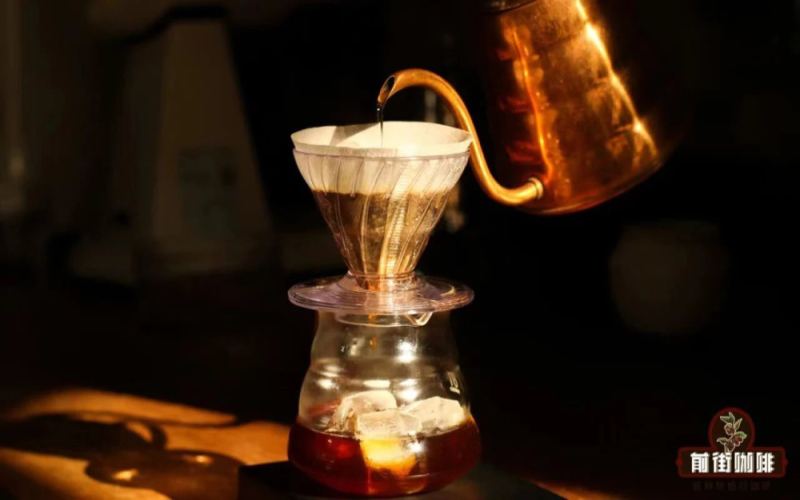
Iced Pour-Over, Iced Americano, Cold Brew, and Ice Drip: Production Differences and Flavor Comparison of Four Summer Iced Coffees
As the weather warms up, iced coffee gradually becomes the top choice for coffee lovers. Iced pour-over, iced Americano, cold brew, and iced drip are four common types of iced coffee. Although they all carry the word "iced," they each have their own distinct characteristics in extraction principles, preparation methods, and flavor expression. Iced pour-over and iced Americano both adopt the approach of extracting a high-concentration brew and then diluting it with ice, but the former relies on a dripper for pour-over, while the latter uses espresso as its base. Cold brew and iced drip both belong to the category of low-temperature, long-duration extraction, offering a full-bodied taste with rich layers. The difference lies in that cold brew uses an immersion method, while iced drip relies on water droplets continuously penetrating the coffee grounds. In this article, Front Street Coffee will break down the brewing parameters and flavor characteristics of these four iced coffees one by one, helping you find the cup that best suits your taste. [more…]
Cold Brew, Ice Drip, Iced Americano, Iced Pour-Over: A Complete Analysis of the Extraction Principles, Brewing Methods, and Flavor Differences of Four Iced Coffees
On a scorching summer day, a glass of iced coffee always brings refreshing delight. But can you tell the essential differences between cold brew, ice drip, iced Americano, and iced pour-over? This article will systematically sort out the characteristics of these four common iced coffees from four dimensions: extraction method, preparation time, difficulty of operation, and flavor and mouthfeel. Whether you are a coffee enthusiast just starting out or a home brewing player hoping to hone your skills, you can find the cup that suits you. The article also includes Front Street Coffee's detailed brewing parameters and flavor descriptions to help you understand more intuitively the unique charm of each iced coffee. [more…]
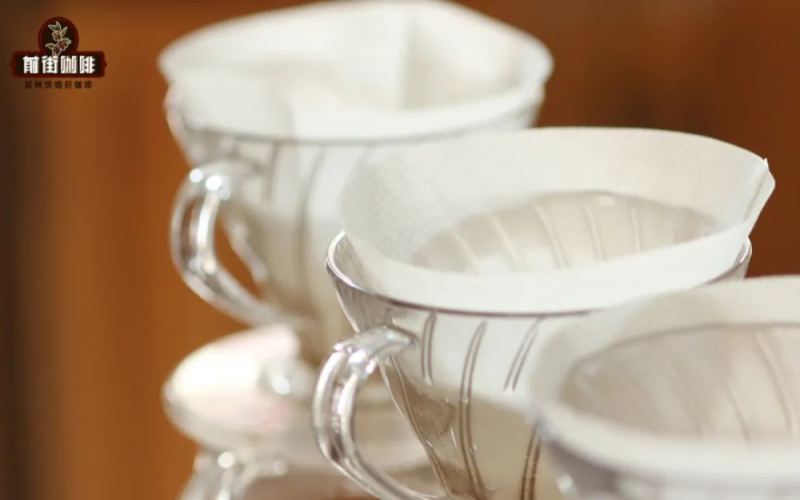
How does a poor fit between the filter paper and the dripper affect the flavor of pour-over coffee? Testing four scenarios and analyzing the causes
When brewing pour-over coffee, many people habitually rinse the paper filter with water first, aiming to make the filter cling tightly to the dripper. But does whether the filter clings or not really sway the taste of a cup of coffee? Front Street used a V60 and Yirgacheffe Red Cherry to run a set of comparison experiments, dividing filter states into four types: fully clinging, folded edge sticking up, placed crookedly, and not clinging at all, and recorded extraction time and flavor differences for each. The results showed that although the degree of clinging does not change the overall direction, it does leave traces on sweetness, acidity, mouthfeel, and astringency. Below, we break down the reasons one by one in the context of the brewing process. [more…]
What Italian-style coffee beans should you choose for opening a coffee shop? A detailed explanation of the four major parameters in espresso extraction: dose, grind, ratio, and time
To make a delicious espresso at home or in a café, the key lies in understanding how the extraction parameters work together. Drawing on the practical experience of Front Street Coffee, this article systematically breaks down the four main adjustable variables that affect espresso flavor—dose, grind size, extraction time, and brew ratio—and explains how to determine the direction of adjustment based on flavor performance. It also introduces four blend beans suitable for opening a coffee shop or for home espresso machines, including Commercial Blend, Dark Cocoa Blend, Specialty Blend, and Sunflower Warm Sun Blend, helping you find the right output solution for different positioning. [more…]
A Guide to Choosing Beans for Cold Brew Coffee: A Comprehensive Analysis from Equipment Usage to Four Flavor Profiles of Bean Lists
Cold brew coffee, through its low-temperature slow extraction method, presents a rich yet non-bitter unique taste, and has gained increasing favor among coffee enthusiasts in recent years. But exactly what beans should be used to make cold brew? And how should the equipment be operated correctly? Front Street Coffee, drawing on its store practice experience, starts with the four-part structure of the cold brew pot and shares in detail key parameters such as grind size, coffee-to-water ratio, and drip flow rate, and according to four major categories—tropical fruit fermented type, refreshing clean type, sweet and delicious type, and flavor blend type—recommends a list of coffee beans suitable for cold brew one by one, helping everyone find their own cup of refreshment in the hot summer. [more…]